Spotify And Universal Just Changed The Future Of AI Music
Spotify and Universal are being framed as the latest power move in AI music, with stupidDOPE reporting that the two “just changed the future” of the space.
Darius Rollins, Chief Hip-Hop Critic & Culture Editor·updated July 06, 2026
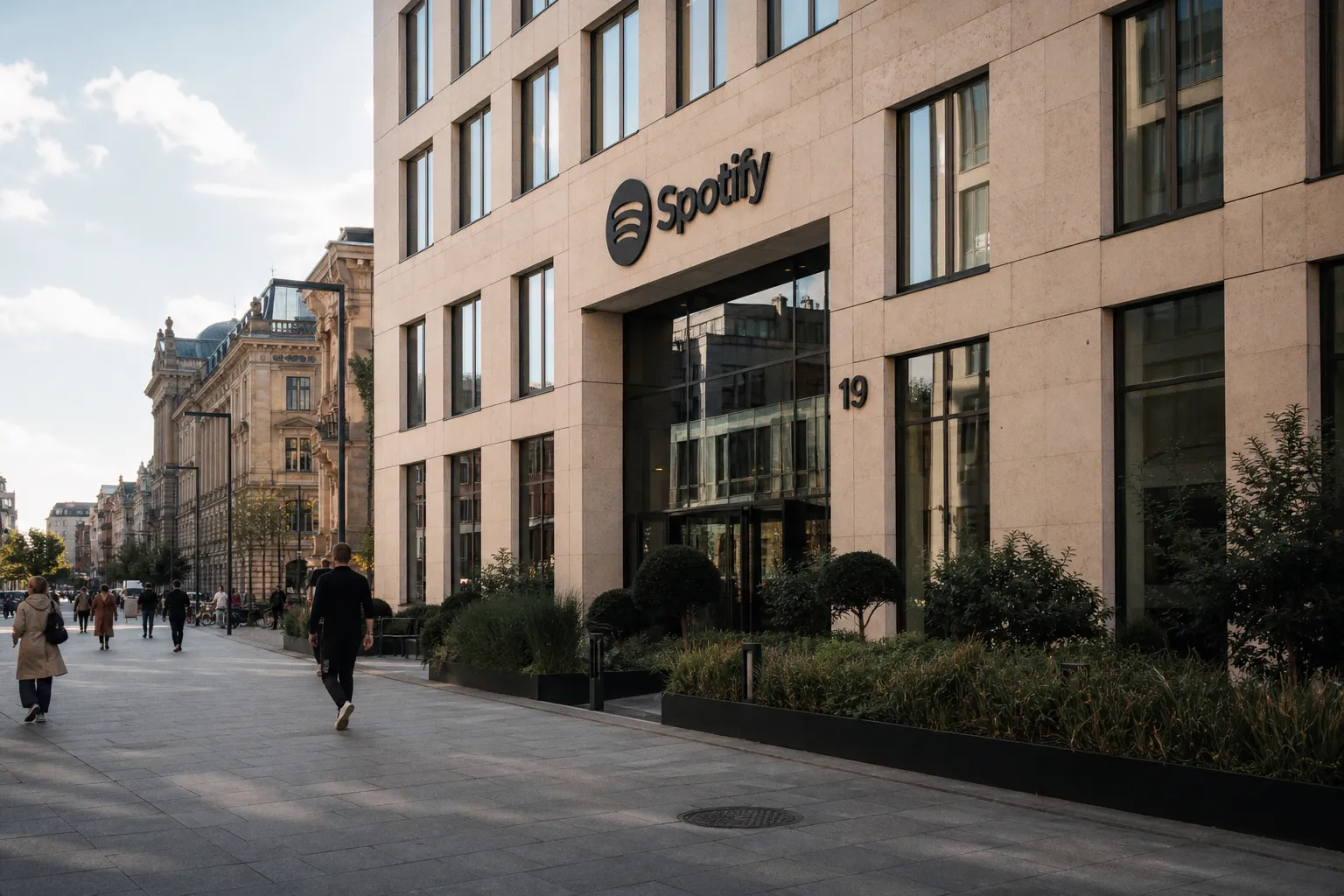
The AI music fight is now a platform-and-label fight
The important part here is not just “AI music” as a buzzword. We’ve had enough of those. The important part is that Spotify and Universal are the names attached to the latest turn.
That means this is not some fringe producer running vocal models in a bedroom, not a random upload gaming discovery, not another ghost-track rumor floating around rap Twitter. This sits at the level where catalog power meets distribution power. In hip-hop terms: the label vault and the streaming shelf are in the same room.
stupidDOPE’s headline says Spotify and Universal “changed the future of AI music.” The available evidence does not give us the mechanics — no confirmed terms, no specific product details, no artist list, no money split. So let’s not do the industry’s PR job for free. But the framing alone tells you where the pressure is: AI music is moving from novelty to infrastructure.
For rappers, producers, estates, and indie teams, that matters. Once the majors and the platforms begin shaping the rules, everyone else ends up reacting to the rulebook.
Why hip-hop should care before the fine print drops
Hip-hop has always been faster than the paperwork. Sampling, mixtapes, YouTube freestyles, leak culture, producer tags, type beats — the culture moves first, then the business tries to tax it, tame it, or sue it into shape.
AI music sits in that same danger zone, but with a colder machine behind it. The questions are not abstract. They hit the studio floor.
Who owns an AI-assisted vocal idea? Who gets credited if a model mimics a cadence? What happens when a fake voice has more playlist traction than a living artist’s actual single? And when the platform hosting the track is also part of the policy conversation, how neutral is the battlefield?
None of those answers are confirmed in the current source material. That’s exactly the point. The headline is loud, but the missing details are louder.
This is where artists need to stop treating AI like either a toy or a boogeyman. It is becoming a business layer. If you are signing anything in this climate, your team needs to look for language around likeness, voice, training data, synthetic vocals, derivative works, and platform monetization. Not later. Now.
Streaming numbers are part of the same story
The timing also matters because the wider streaming economy is already under fresh scrutiny. SQ Magazine has a current piece comparing Spotify and Apple Music statistics for 2026, including subscribers, revenue, and market share. Hypebot also reports that the NMPA has shared stream rates for Spotify, Apple, YouTube, and Amazon.
Again, the available snippets do not provide the actual numbers, so we are not inventing them. But the cluster tells us what the industry is staring at: platform scale, payout mechanics, and who benefits when music becomes more automated, more abundant, and easier to flood into the system.
That is the core concern for hip-hop’s middle class — the working rappers, beatmakers, engineers, hook writers, and independent labels who are not sitting on superstar leverage. If AI music increases supply while stream economics remain a battlefield, the cultural cachet may stay with artists, but the margin can slide toward platforms and rights-holders.
So the move to watch is not whether AI songs sound “real.” That debate is already dusty. The real question is whether the next streaming era protects human authorship or turns creativity into another scalable content pipe.
For now, the verdict is simple: Spotify and Universal may be setting the table, but hip-hop needs to read the menu before it gets served.