Music with explicit lyrics is in decline, report shows
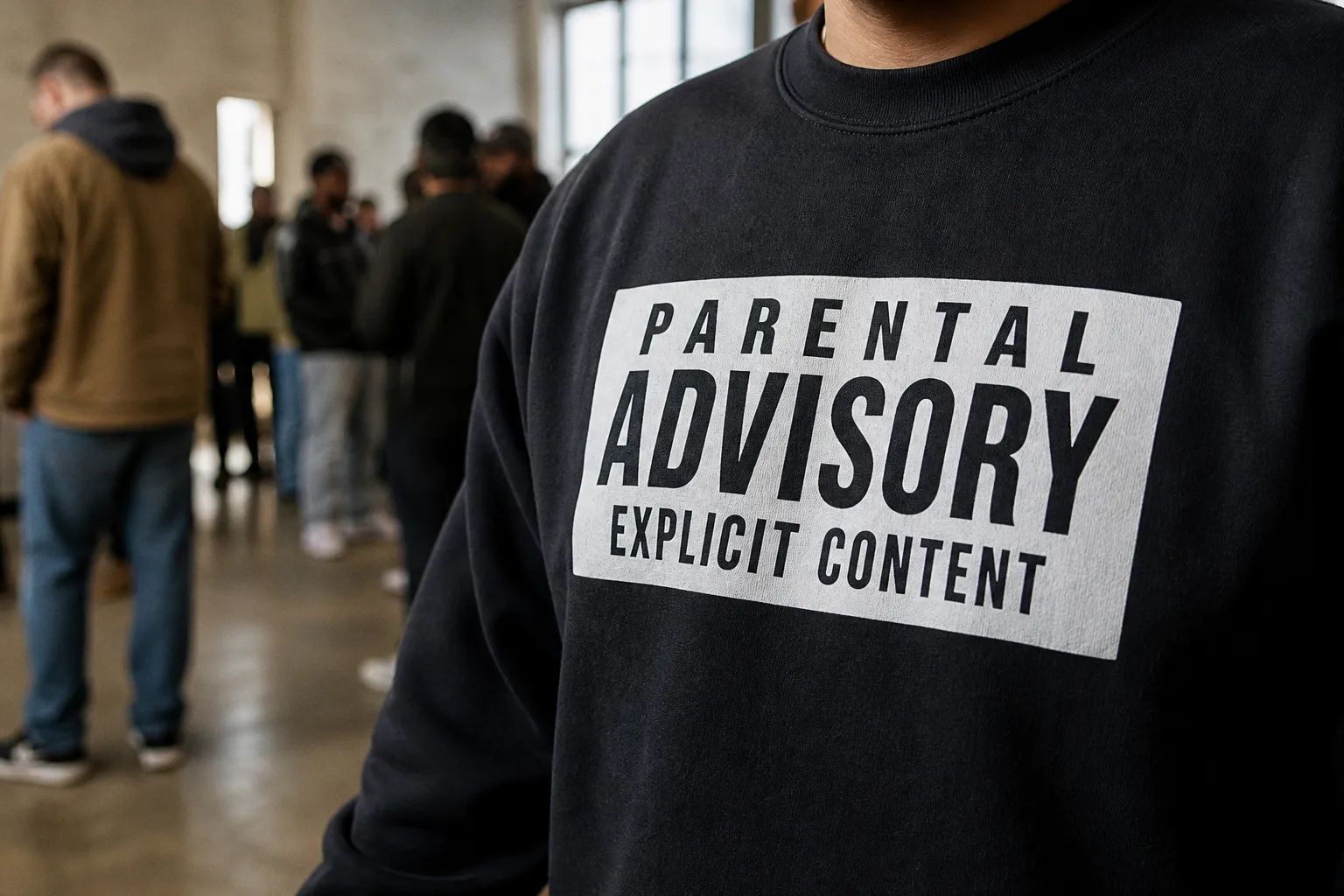
Thirteen percent. That's how many of Spotify's Top 50 tracks in 2026 carry the "Explicit" tag — down from 74% in 2018, according to new analysis from data journalist Daniel Parris.
Darius Rollins, Chief Hip-Hop Critic & Culture Editor·updated July 08, 2026
What the numbers actually say
Parris's breakdown points to two engines driving the slide, and neither one is a moral panic. First, listeners are leaning back into older, radio-friendly staples — Fleetwood Mac's "Dreams" and Michael Jackson's "Thriller" are pulling weight they haven't pulled since Reagan-era soft-rock rotations. Second, hip-hop's grip on the Top 50 has loosened hard since its late-2010s peak, when the genre's chart dominance practically subsidized the explicit tag's presence. Translation: "Explicit" was riding hip-hop's back. When hip-hop stops dominating, the tag stops showing up — correlation, not crusade.
Why this isn't censorship — it's algo gravity
Let's kill the lazy reading right now. Nobody passed new decency laws. No one is scrubbing verses in post. The "Parental Advisory" sticker — first pushed by Tipper Gore's PMRC in the mid-'80s, formalized across the industry by the early '90s — has simply become another piece of metadata in the streaming era. What changed is what the algorithm surfaces, what mood-based playlists reward, and what an aging millennial reaches for at 2 a.m. The mainstream didn't get sanitized by committee. It got sanitized by sentiment. Big difference — and the distinction matters if you actually care about who controls the soundtrack.
What to track next if the bars matter to you
- The streaming-manipulation theater. Spotify just stripped 500,000-plus artificial streams from Malcolm Todd's "Earrings" after allegations tied to the prediction market Kalshi. Platforms aren't just policing lyrics anymore — they're policing the farms that fake the numbers. That's a different kind of gatekeeping, and it rhymes with the same instinct now reshaping who gets to access consumer data across every platform economy, finance included.
- The AI label as the next flashpoint. Apple Music rolled out transparency tags earlier this year to flag AI-made tracks. If the explicit sticker is fading from the culture war, expect the "synthetic" badge to inherit the controversy — same parents-energy, new decade.
- Hip-hop's chart reset — and the artists who weaponize it. The genre still moves bodies, sells merch, runs fashion, and sets the slang. But the Top 50 isn't its trophy case anymore. Watch the next class of MCs who figure out that "clean" is no longer a compromise — it's a deliberate lane strategy, the same way Beyoncé and Kendrick have quietly turned radio-edit discipline into a feature.
The verdict
The drop from 74% to 13% is not the death of explicit hip-hop. It's the death of the unspoken assumption that explicit equals popular. The streets still cuss. The verses still swing. But the algorithm crowned a new ringleader, and hip-hop spent the last decade forgetting that charts were never the culture — they were just the loudest corner of it. Time to get loud somewhere else. I won't mourn the dip. I will be watching who profits from the silence.