How Major Labels Are Eating The Indies’ Share Of The Record Biz
The biggest names in rap aren't running to major labels anymore — they're running from them.
Darius Rollins, Chief Hip-Hop Critic & Culture Editor·updated July 14, 2026
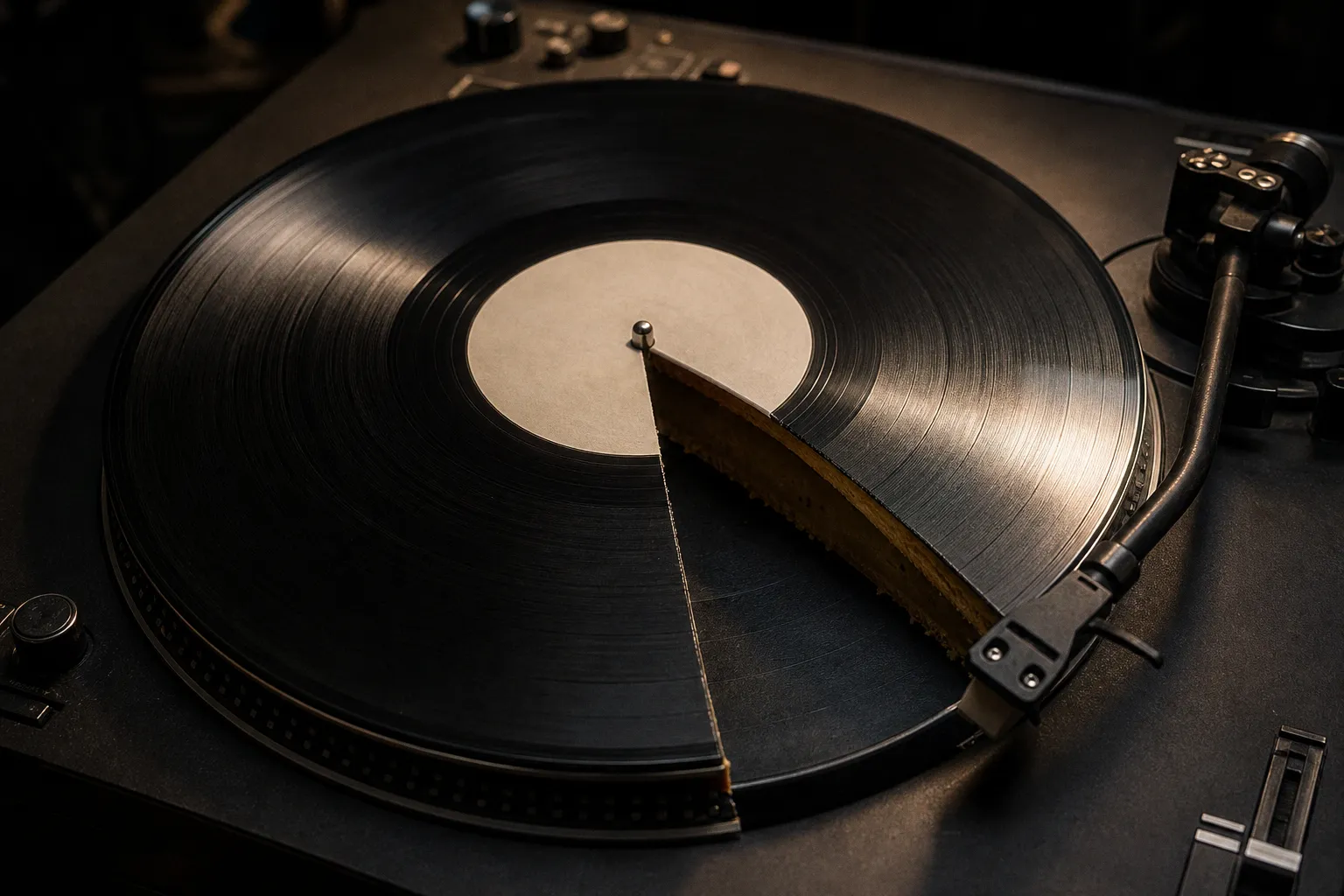
The Fake Indie Playbook
Sony's The Orchard. Universal's Virgin Music Group. Warner's ADA. These are the major labels' answer to a market shift they can't reverse. They market themselves as flexible, artist-friendly, indie-spirited. Technically, they offer more breathing room than a parent label deal. But when Sony owns the distributor and skims the fee, the artist is still feeding the corporate beast — just through a different mouth.
Bad Bunny gets the play. One of the biggest artists on the planet, and he's not signing traditional major contracts — he's routing through The Orchard via his own Rimas Entertainment, according to his attorney John Baldivia. No glossy promotion machine required when your catalog already moves units on weight alone.
Why The Math Finally Favors The Indie Route
A typical indie distribution deal takes 10–30% of revenue. Old-school major deals? The label can pocket four or five times what the artist makes, on top of owning the masters and stacking unrecouped expenses that linger like bad debt. The royalty math has always been criminal — but streaming made it impossible to hide.
That's why Taylor Swift owns her masters as of May 2025, distributing through UMG's Republic on her own terms. That's why Drake reportedly dropped three albums at once last May — a strategic move, per the Forbes reporting, to satisfy his Universal contract and exit into independence. These aren't vanity moves. They're structural liberation from a system designed to keep artists perpetually in the red.
What The Next Wave Needs To Understand
The label A&R pitch hasn't changed. They still want you in the building, on the escalator, paying back recording costs across three albums before you see a real royalty check. The indie route isn't charity — it's leverage. BMG and EMPIRE built empires off this exact model, and Forbes rightly flags them as potential future major players in their own right.
For rising artists, the question isn't "major or indie" anymore. It's "whose version of indie are you actually signing with?" A truly independent deal preserves master ownership, keeps the pen in your hand, and caps the cut at a reasonable percentage. A major-backed "indie" distributor offers flexibility with a leash attached — better than a 360, but still a collar.
The Big Three aren't dying. They're just learning to wear indie flannel to the same party. Real independence means owning the pen, owning the masters, and dictating the terms — not trading one corporate logo for a slightly softer one. Hip-hop built its cultural cachet on autonomy. The business model is finally catching up.