New Video Appears to Show Pooh Shiesty and Crew Kidnapping, Robbing Gucci Mane at Gunpoint
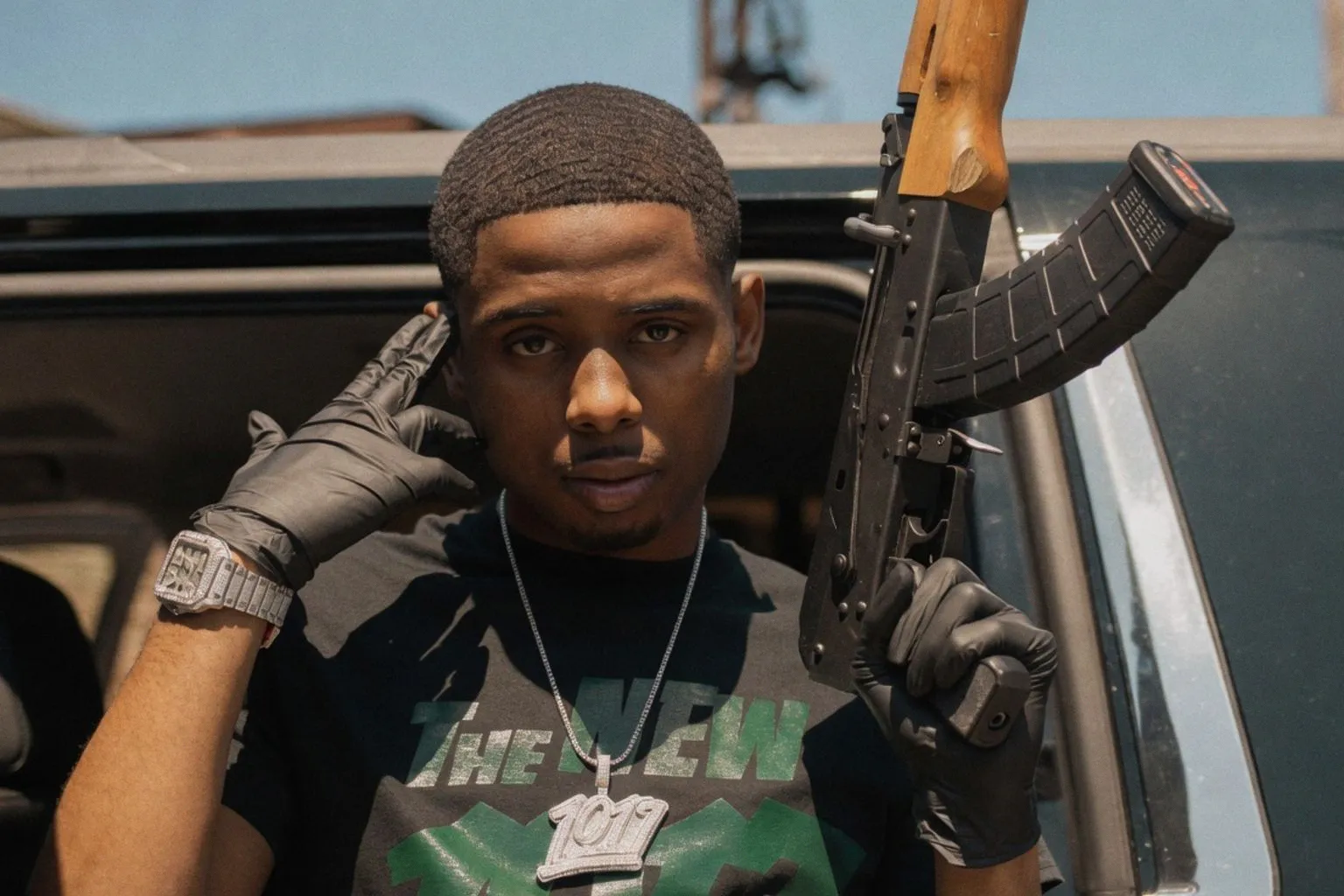
A clip just surfaced that federal prosecutors say shows Pooh Shiesty holding a Draco on Gucci Mane in a Dallas studio, forcing him to sign away his 1017 contract on camera.
Darius Rollins, Chief Hip-Hop Critic & Culture Editor·updated July 08, 2026
The Video Changes Everything
This is the kind of evidence that rewrites the entire trajectory of a federal case — and potentially the legacy of one of hip-hop's most volatile label relationships.
What The Footage Reportedly Shows
According to newly filed court documents detailed by multiple outlets, the video captures Radric Davis — Gucci Mane — telling the camera "I signed the paper, it's done," while a man prosecutors identify as Demarcus Glover stands nearby holding what's described as a Draco-style AK pistol. Federal investigators allege Lontrell Williams Jr. orchestrated what looked like a standard business meeting about his recording agreement, then produced the weapon once Davis was inside the booth.
The details here are brutal in their simplicity. Prosecutors claim another defendant, Big30 (Rodney Wright Jr.), filmed Davis making his verbal statement confirming the deal was terminated. The government says they've now recovered the physical contract Williams allegedly forced Davis to sign. And on top of the contract coercion, Davis was reportedly robbed of jewelry valued around $450,000 — his wedding ring, earrings, watch. The kind of personal items that hit different when they're taken under duress.
Williams, his father, and seven other defendants were hit with kidnapping, robbery, and extortion charges back in April. Williams has pleaded not guilty across the board. The trial, originally set for June, has been pushed to February 2027 while the prosecution builds its case with what's clearly a stronger hand now.
The Layers That Make This Case Messy
The house arrest violation angle adds another dimension that's almost stranger than the alleged crime itself. Court filings allege Williams developed what prosecutors call an "inappropriate" relationship with his case supervisor — someone who allegedly fabricated travel passes allowing him to move to unauthorized locations, including that Dallas studio on the day of the alleged incident. That employee has since been dismissed. Prosecutors also claim Williams later admitted via text to driving while intoxicated and crashing his vehicle.
Then there's the lyrics question. The government reportedly cited lines from Williams' music to argue he remains a danger to the community — a move that keeps feeding the national debate about using rap bars as criminal evidence. Free speech advocates have been pushing back hard on this practice, and every high-profile case like this adds fuel to that fire.
Meanwhile, Gucci Mane appears to have processed this through his pen. Fans believe he addressed the entire situation in a recent diss track called "CRASH DUMMY," referencing signing paperwork "under duress" and feeling betrayed by someone he once championed — Williams signed to 1017 in 2020, when his stock was climbing fast.
What This Means Going Forward
For the culture, this case sits at the intersection of several fault lines: the power dynamics between artists and labels taken to a violent extreme, the ethics of using rap lyrics in courtrooms, and the question of what loyalty looks like when millions of dollars and personal freedom are on the line. The video's emergence doesn't just strengthen the prosecution — it forces a public reckoning with a story the streets had been whispering about for months.
Watch the February 2027 trial date. Watch whether Williams' legal team pivots strategy now that the evidence gap they'd exploited appears closed. And watch how Gucci Mane continues to process this publicly — because if "CRASH DUMMY" is any indication, he's far from finished telling his side.