Underground rap artist loses touring rights: the lesson
Right now, somewhere in Atlanta, Houston, or Queens, an unsigned MC is sitting on a viral moment that should have launched a tour. Instead, they're sitting on a cease-and-desist. Their manager won't return calls.
Darius Rollins, Chief Hip-Hop Critic & Culture Editor·Updated: July 09, 2026·9 min read
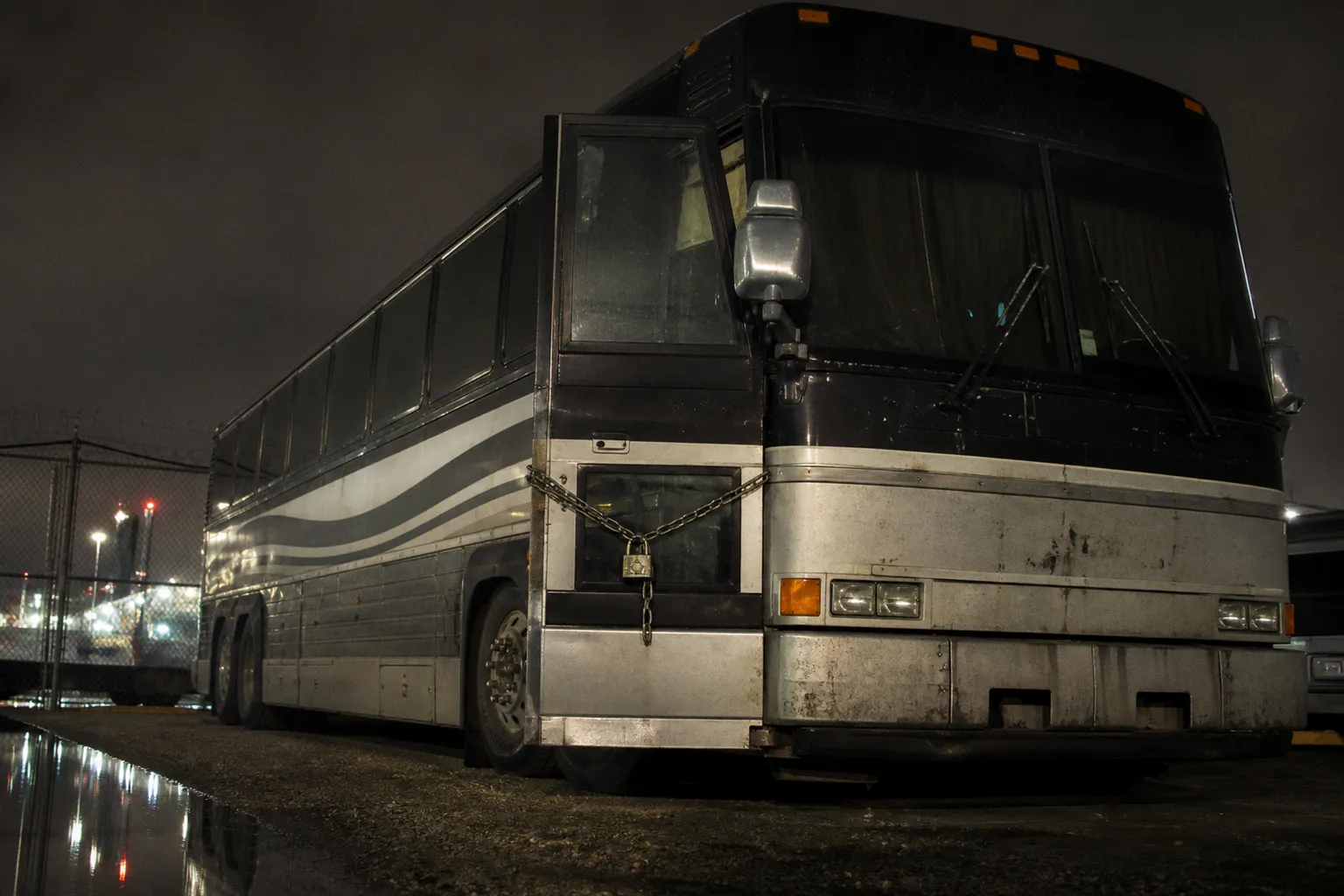
The Paperwork That Stops the Show: How an Underground Rap Artist Loses Touring Rights Before They Ever Hit the Road
The story almost never makes it to a press release. A rapper blows up on TikTok, drops a SoundCloud tape, books a small club run — and then a clause they skimmed nine months ago detonates. Touring rights revoked. Catalog frozen. Stage name locked in a corporate filing cabinet. The cultural cachet is real. The paper trail is uglier. And the lessons buried in that paper trail are the only thing standing between the next wave of underground rappers and the same trap.
The stage is the last thing a label takes from you — and the first thing you sign away.
The 360 Deal Disassembly: How Live Performance Revenue Gets Siphoned Before the First Ticket Sells
The "360 deal" has been industry shorthand for a decade, but the underground conversation still treats it like a rumor. It isn't. A 360 deal grants a label or management company a percentage of an artist's revenue across all income streams: recordings, publishing, merch, brand partnerships, and — most painfully — touring. For an underground rap artist, the touring slice is the only slice that's actually growing. The streams are algorithmic. The merch is a side hustle. The live show is where the culture shows up and puts cash on the barrelhead.
Standard 360 cuts on touring and merch revenue run between 15% and 25%. On a $40,000 club tour — modest by any metric, healthy for a rising artist — that's between $6,000 and $10,000 walking out the door before the artist pays a single band member, van rental, or promoter split. Multiply that across a year of regional runs and the underground rapper isn't building a career. They're funding a label's overhead with their own sweat.
The brutal part: the contract doesn't read like a trap. It reads like a partnership. The label offers "advances" against future touring income, infrastructure support, booking agent connections, and playlist pitching. The artist reads "support" instead of "lien." Then the breakout happens, the routing expands, and suddenly the entity that never once got on a stage is collecting a quarter of every ticket scanned. The artist owns the microphone. The label owns the microphone's revenue. The pen game gap just became a bank account gap.
You don't need a bigger crowd when the contract is what's cutting into the ticket price.
Sample Clearance Failures: The Touring Injunction Nobody Warned You About
Sample clearance is the second great silent killer of underground rap momentum, and it's more common than any major-label executive will ever admit. An unsigned rapper builds a body of work around a soul flip, a gospel stab, or a drill-adjacent loop. The track goes viral. The touring calendar gets announced. Then the original artist's publisher sends a letter, and the live performance of that song — sometimes the entire body of work — gets frozen pending clearance.
Sample clearance costs can run anywhere from $500 for an obscure, willing originator to over $10,000 per sample when the original artist or their estate has leverage. The underground rap artist almost never has either budget sitting around. So they release first, clear later, and hope the track stays small enough that nobody notices. Hope is not a legal strategy. When the notice arrives, the touring isn't just delayed — it's enjoined. Bookings cancel. Deposits are forfeit. The reputational hit follows the artist for the rest of their rookie year.
This is the part that doesn't show up in the breakout headlines. The cultural conversation celebrates the underground rap artist who flipped a rare J Dilla-adjacent loop into a TikTok anthem. The business conversation — the one that happens behind closed doors between entertainment lawyers — knows that the same track might cost more to clear than the artist will gross in their first eighteen months of touring. The math doesn't work. The artist goes silent. The label that wasn't even in the room walks away clean.
Work-for-Hire and the Quiet Theft of the Artist Name
This is the trap that doesn't get discovered until the artist tries to leave. Work-for-hire agreements, designed for session musicians and ghostwriters, have been migrating into the independent rap ecosystem for years. The structure is simple: the artist delivers a body of work to a label or distributor, and ownership of the recordings — and in the worst cases, the artist name and likeness rights used to market them — transfers to the company. The rapper thinks they signed a distribution deal. They signed an assignment.
When the relationship sours, the underground rap artist discovers they don't own the name they built a fanbase under. The Instagram handle stays. The SoundCloud page stays. The trademarked stage name used in metadata, on streaming platforms, and in the underlying distribution agreement is now the property of a company that can keep releasing music under it, license it to catalog aggregators, or simply sit on it as a depreciating asset while the artist starts from zero under a new alias.
Independent rap labels vary widely in how they handle this. Some are genuine infrastructure partners who build careers and renegotiate in good faith. The doNotClaim chorus here is simple: not every indie is predatory, and losing a name is often a temporary legal hurdle, not a permanent execution. But for the underground rapper who signed a work-for-hire on a handshake and a "we'll get you a real deal later," the renegotiation can take years, cost more than the original catalog grossed, and require a lawyer the artist didn't budget for during the ramen-and-recording-studio era.
TikTok Fame, Distribution-Only Deals, and the Reversion Clause Waiting to Eat Your Tour
The 2020–2026 era of hip-hop has a new factory pipeline: viral TikTok moment → distribution offer within 72 hours → catalog lockup within twelve months. The offers look clean. "Distribution-only" is the magic phrase, marketed as a way to keep ownership while getting onto Spotify's editorial radar. The fine print tells a different story. Reversion clauses in these deals are the new silent auction.
A reversion clause typically says: if the artist fails to meet a specific streaming quota inside a defined window, rights to the catalog revert to the label. The quota is rarely calibrated to a real underground trajectory. It's calibrated to a pop-rising one. A few hundred thousand streams a month, minimum. Miss it, and the artist doesn't just lose royalties — they lose the right to perform their own catalog live, because the master recordings that drive the live show are no longer theirs to license for synchronization, sampling, or even stage performance clearance.
Going viral is not a business model. Going viral is a pressure test for whoever hands you a contract that week.
Independent distribution fees typically run 10% to 20% of streaming royalties. On a 200,000-streams-per-month track, that's real money. On a track that misses its reversion threshold, that same 20% becomes the price of admission to a building the artist no longer owns a key to. The underground rap artist walks into a distribution deal thinking they've hired a delivery service. They've actually walked into a buy-option with a clock attached.
The Playbook: How an Underground Rap Artist Actually Protects the Stage
None of this means the underground should stop signing. It means the underground should stop signing what it doesn't understand. The protective moves aren't complicated, but they require an artist to read a contract like a hostile witness instead of a friend.
- Separate the recording rights from the performance rights in writing. Touring income and master ownership are two different ledgers. If a deal touches both, the artist needs to see the percentages broken out on a single page, not buried in a sub-clause.
- Cap any 360 component on touring at a fixed percentage, with a sunset clause. A 360 deal that expires after the first album cycle is a startup cost. One that renews automatically is a mortgage. Negotiate the end date into the original document.
- Clear samples before release, or design the rollout around clearable material. The $500–$10,000 per-sample range is real, and the underground rapper who builds a mixtape around uncleared flips is building a future legal bill. If clearance is impossible, the tour has to be designed around the cleared material only.
- Verify who owns the artist name in any work-for-hire or distribution agreement. Trademark search before signing. If the label owns the name, the artist doesn't have a career, they have a job.
- Audit reversion thresholds against actual underground benchmarks, not pop ones. A quota calibrated to a top-200 artist is a trap door for an underground rap artist whose trajectory is regional.
The Verdict From the Cheap Seats
The underground rap scene doesn't lose talent because the talent isn't good enough. It loses talent because the paperwork is better written than the artist is briefed. Every contract trap above — the 360 siphon, the sample injunction, the work-for-hire name grab, the reversion clock — shares a single design philosophy: make the artist feel like a partner in language, and treat them like a vendor in arithmetic.
The breakout moment is not the finish line. It's the moment the vultures were waiting for. An underground rap artist who keeps the touring rights, the stage name, and the master catalog keeps the only three assets that actually compound. Lose any one of them and the algorithm gives the career back to whoever owns the metadata. The pen game has always been the game. The new pen game is the contract — and the MCs who learn to read it are the ones still on stage eighteen months from now.